Earn $4,200 a month without leaving home for work—simply by receiving packages, taking photos, and forwarding them with new labels? A mother in La Mesa, San Diego County, thought she had found the ideal job to balance child-rearing with household expenses. However, she grew suspicious after starting the role and ultimately stopped accepting packages and contacted the police. She hopes her experience will warn other job seekers to be cautious of work-from-home opportunities that promise high pay for seemingly easy tasks.
According to an NBC News report, local resident Heather Christie said the job opportunity came at the perfect time, making her believe she could finally help pay household bills while caring for her son. The $4,200 monthly salary was highly attractive, and she looked forward to boosting her family’s income.
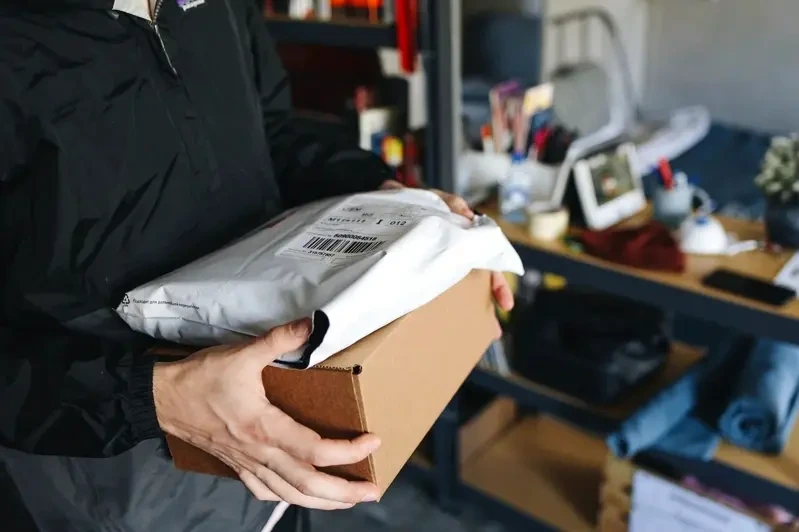
After filling out what appeared to be official paperwork, she began the job: receiving packages at her home, unboxing and photographing the items, and uploading the photos to an online platform. The platform would then provide a new shipping label for her to attach to the package before forwarding it to a different address. The items she received varied widely, ranging from jackets and gaming chairs to bracelets.
The job came with strict requirements: she had to log into the platform three times a day from Monday through Friday, and once each on Saturday and Sunday. Packages had to be reported within three hours of arrival and forwarded on the same day. She was also instructed to use only the provided labels and to remove the original shipping information from the packages.
Christie began to feel something was amiss after handling the first package, sensing the terms were too good to be true. She stopped accepting deliveries, investigated the business, and reached out to NBC for help. Emails sent to the address listed on the company’s website bounced back; her original contact person did not reply, and calls to the listed phone number resulted in a prompt directing callers to send an email instead.
San Diego County Deputy District Attorney Ryan Karkenny explained that package-forwarding scams often involve purchasing goods with stolen credit cards or personal information. These goods are then sent to and forwarded from the homes of so-called “employees,” creating a buffer between the actual criminals and the flow of merchandise, which makes tracing the crime more difficult. It remains unclear whether the items Christie received were obtained through theft. The Federal Trade Commission (FTC) has issued warnings about such fraudulent job offers, which may use official-sounding titles like “delivery operations specialist” or “quality control manager” and even falsely claim affiliation with well-known companies such as Amazon or FedEx. In reality, the job involves receiving merchandise, discarding original packaging and receipts, and repackaging the items for shipment to a designated address—sometimes overseas. The FTC notes that the goods involved in these scams may have been purchased using stolen credit card or banking information.
The FTC advises job seekers to search for the company or recruiter’s name alongside keywords such as “scam,” “review,” or “complaint” to check for existing reports of fraud, and to discuss the job details with a trusted person. If sensitive personal information has already been shared, individuals can visit IdentityTheft.gov to learn about protective measures; suspicious job offers can be reported to the FTC and the USPS.